What actually makes a video look professional?
Is it the camera? The lighting? The lens? The way it is framed?
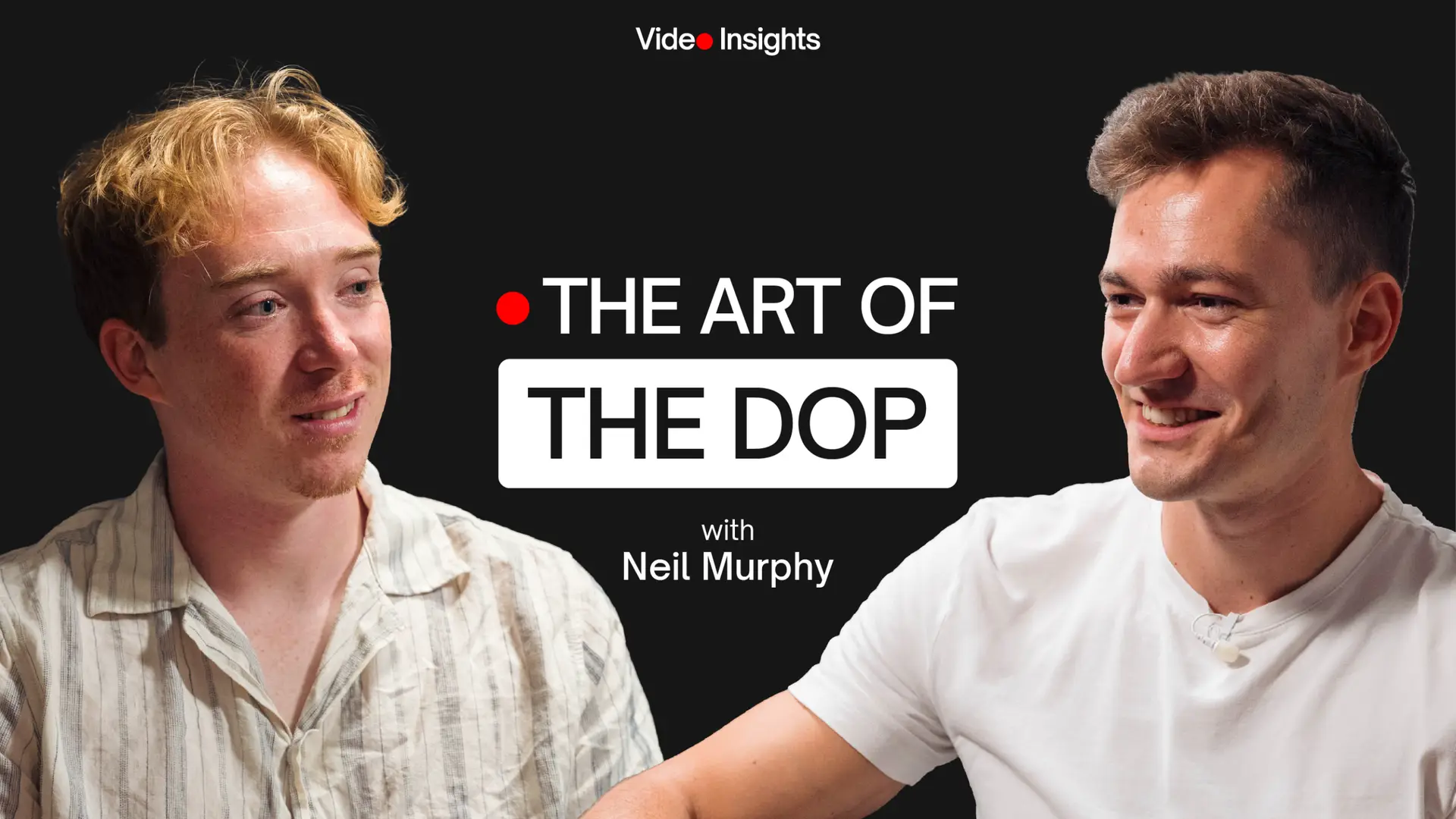
For this episode of Video Insights, I sat down with Neil Murphy, a cinematographer and director working across film, TV, music videos and commercial productions.
We talked about what a Director of Photography actually does, what separates an amateur-looking image from a professional one, how to develop a better eye for video, and what marketers should focus on when producing content.
1. A Better Camera Doesn’t Mean a Better Video
A more expensive camera does not automatically create a better image.
As Neil puts it, you can create a great image with a relatively cheap camera and a terrible image with one of the best cameras available.
Modern cameras are already extremely capable. The bigger difference often comes from everything around them: lighting, composition, lenses, colour and, most importantly, the decisions made by the person behind the image.
That is where the Director of Photography, or DOP, comes in.
A DOP is responsible for defining the visual look and feel of a production. That includes decisions around lighting, framing, camera work, lenses and how the images support the story being told.
So while the camera matters, it is only one part of a much bigger picture.
2. What Makes an Image Look Professional?
When we talked about the difference between an amateur-looking image and a professional one, Neil came back to something important: intention.
With a strong professional image, you can often feel that thought has gone into the lighting, colour, composition and lens choice.
But interestingly, the goal is not necessarily to make all that work visible.
We compared it to good makeup. Ideally, the result looks great without making you think about everything that went into creating it.
Neil described the best cinematography in a similar way: it can almost feel invisible, despite the amount of work happening behind it.
Good cinematography should reinforce the story rather than distract from it. The viewer should be invested in what is happening, not constantly thinking about how beautiful the image looks.
For brands, this is a useful reminder too. A polished video should support the message. Production quality matters, but it should not become the message itself.
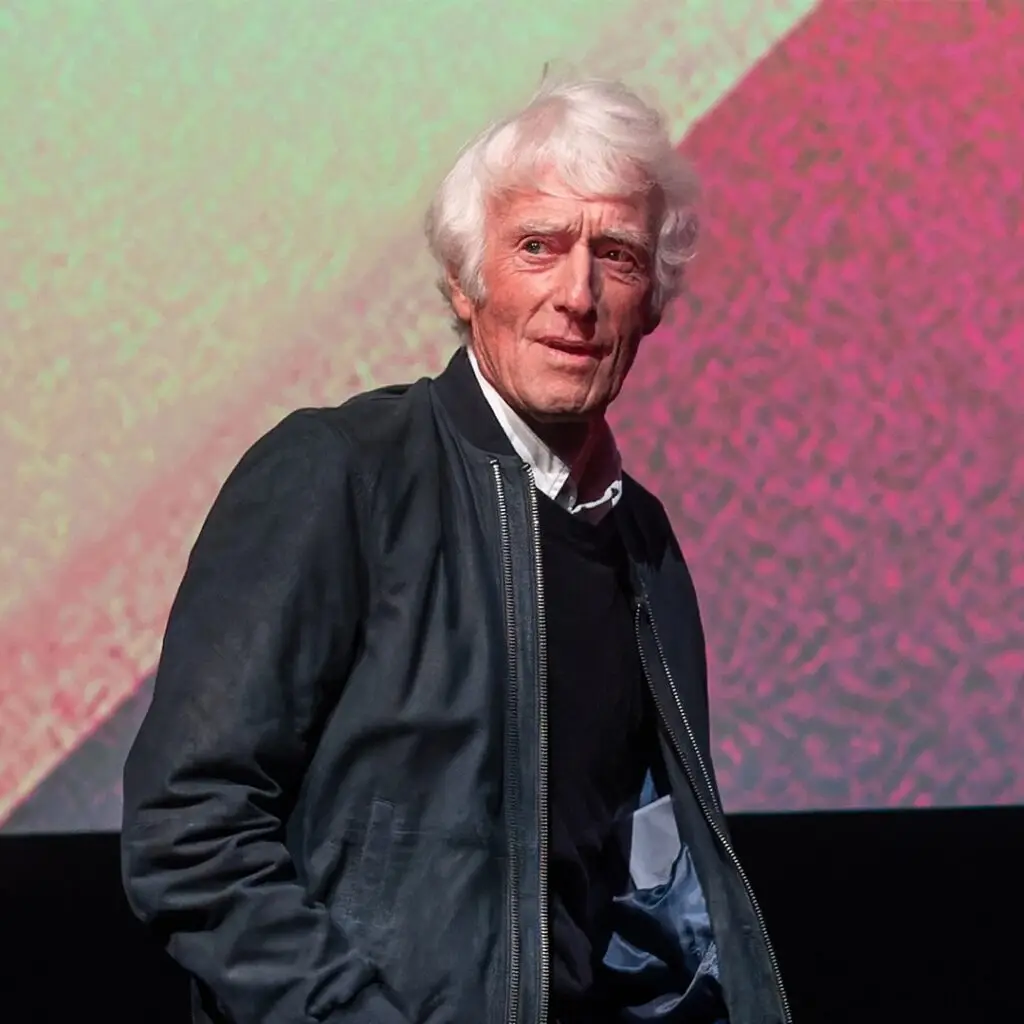
“I think the best cinematography is invisible because you’re immersing the audience within the story.”
ROGER DEAKINS
Academy Award-winning cinematographer
3. How Do You Develop a Good Eye?
Having a “good eye” is difficult to define.
For Neil, it is partly about seeing and framing things in a way that reinforces what you are trying to communicate. A good composition does not necessarily show everything. It shows what the viewer needs to see and removes what only adds noise.
And developing that eye takes time.
One way is simply to consume good work.
Watch films, commercials, photography and videos from people you admire. Even if you are not consciously copying them, those visual references stay somewhere in your mind and influence how you approach your own work.
The second part is practice.
Shoot often, experiment and deliberately try things you would not normally do.
Neil also talked about the importance of not simply following what everyone else is doing.
What can make one video more interesting than another is the personal character the creator brings to it.
Following your instincts and developing your own way of seeing things is what eventually gives the work an identity.
4. Start With the Story
This becomes especially important when creating videos for a company.
When I asked Neil where a brand with a limited budget should invest first, his answer was clear:
Start with the story.
Before thinking about cameras, lighting or production value, define what you actually want to communicate.
– What are you trying to say?
– What are you trying to sell?
– What should someone remember after watching?
– And what does the video say about your brand?
Once that is clear, the visual side can support it. This also means there is no single visual style that works for every company. A family-focused travel company may want to feel fun, accessible and energetic. A luxury travel company may need something much more controlled and refined.
Neither one is automatically better. The important thing is that the video feels consistent with the identity the brand wants to project.
For marketers, that is probably one of the most useful takeaways from the conversation:
Do not start by asking how cinematic the video should look. Start by asking what the video needs to communicate.
5. Filming It Yourself? Focus on These Three Things
1. Sound
Good audio can make a much bigger difference than people expect.
If the audience can clearly hear what someone is saying, they are much more likely to stay engaged.
Even a simple external microphone can improve a phone recording considerably.
2. Control the Exposure
Phones and small cameras often adjust exposure automatically.
That can work well, but it can also lead to the image becoming too bright or too dark.
Where possible, locking or manually controlling the exposure gives you a more consistent result.
When filming on a smartphone, a great option is the Blackmagic Camera app, which gives you much more control over settings such as exposure, white balance, frame rate and focus.
3. Use Soft Light
You do not necessarily need a professional lighting setup.
A large window can already give you soft, flattering light.
And because phones have less flexibility than professional cameras when it comes to rendering colour and texture, good lighting becomes even more important.
So if you are filming something yourself, the priorities can be surprisingly simple:
Good sound. Controlled exposure. Soft light.
6. Where Does AI Fit Into Cinematography?
AI is becoming part of almost every creative workflow, but Neil takes a relatively cautious approach to it.
He mainly uses it where it can save time during preparation.
That can mean organising ideas, researching something specific or helping with pre-production tasks that would otherwise take much longer.
For storyboards, for example, he still prefers starting from real visual references from films.
AI can then be useful for small adjustments, such as modifying the direction a person is looking in a reference image. But he is much more sceptical about using AI to replace the actual process of creating images or replacing creative professionals altogether.
For now, his approach is closer to:
Use AI to support the creative process, not replace it.
7. Find Your Own Visual Voice
At the end of the conversation, I asked Neil for one final Video Insight.
His answer brought us back to a theme that appeared several times during the interview:
Find your unique voice.
Learn the technical side. Study good work.
Understand lighting, framing and storytelling.
But eventually, the goal is to develop something that feels recognisable as yours. The same applies to brands.
With more content being produced every day, technical quality alone is rarely enough to make a video memorable.
Having a clear perspective, visual identity and way of telling stories is what can make the difference.
And sometimes that matters much more than the camera you are using.
Want to go deeper?
A better video is not just about better gear. It comes down to story, visual choices and having a clear idea of what you want the audience to see and feel. That is probably the main takeaway from this conversation with Neil.
Watch the full episode with Neil for the complete discussion.
You can also explore more Video Insights interviews for practical ideas on video production, storytelling, marketing and content creation.
SHARE THIS POST